There are times in photography, when all you can do is your best. Even then, it may not be enough.
Take, for example, the Canon 7D. It is a marvel of a camera. Eight frames per second of DSLR heaven. The 7D is the flagship of Canon "crop-sensor" cameras, and is often considered a "prosumer" camera. With an 18 megapixel sensor and dual processors, the 7D is built to perform. Made of magnesium alloy, the 7D is also built to handle rugged conditions.
But the 7D has limitations.
In low-light conditions, the 7D struggles. Color rendition is of poor quality and the amount of grainy noise in the photo, is enough to notice from far away. Far-away subjects in low-light, are undefined and sometimes a bit contrastless.
So, how do 7D shooters adjust? Is it possible to offset the 7D's low-light capabilities? I believe so. And these next few tips will explain the way to use the 7D in tough light.
Tip 1:
Shoot black & white. Set the 7D to Monochrome, and what we see is the same grain, but without the color distortion. Use contrast editing to eliminate some of the noise and grain.
Tip 2:
Shoot superfast shutter speeds. The reason for this is that we want crisp photos. Shoot an ISO that can get fast shutters with reasonable apertures.
Tip 3:
When shooting in color, use the White Balance to help with proper exposure. Fluorescent indoor lighting is a situation where WB can be dialed in correctly, even though Auto WB is a decent option.
Tip 4:
Make use of any light source. Use it to frame and light your subject. Shooting outdoors at night, for example, would mean using streetlamps and such.
Tip 5:
Stopped down f-stops. What this means is, even if you are shooting a fast lens like the Canon EF 50mm f1.4, stopping down will have better focused images with greater depths of field, and in turn, better shots.
Tip 6:
Use contrast to create images that pop. In the skate photo above, a high ISO and fast shutter was combined with the parklamps and the contrasted scene. Look for these angles and opportunities.
Tip 7:
Most DSLRs have a custom mode. Use it to save the low-light settings that you like to shoot with. Take notes about grainy photos and how your camera settings affect noise. Use the Custom setting to instantly shoot in low-light.
Tip 8:
Don't be afraid to use super-high ISOs like 12,800 and higher. Fast shutters and correct apertures are more important.
Tip 9:
Photoshop or any editing software that can help with editing noise and color. Learn the post process, as editing is the icing on cake photos.
Tip 10:
Get out and shoot. Just go get some photos.
All photos COPYRIGHT Ronald Borst
Wednesday, October 22, 2014
Tuesday, October 21, 2014
Ten Tips For Shooting On The Fly
As we have discussed previously here, photography is always in motion, and packing a tiny DSLR around is not at all cumbersome. A Canon T3 & EF 50mm, for example, fits in a coat pocket comfortably.
But to get shots anytime, takes patience and prep work. Here are ten tips to help with that process.
1) Shoot for the scene, meaning if you are headed out for a stroll downtown on a cloudy day, set the ISO for 800 and set your camera to Aperture or Shutter Priority. Shooting in these modes will ensure crisp, accurate, and properly focused depths of field.
2) White Balance is a tricky problem for DSLR users, which means that setting the WB to Auto is not such a bad idea. Changing conditions demand changing settings, such as going from daylight to cloudy and then to shade, or even indoors and fluorescent. If you can remember to adjust, then simply do so according to scene.
3) Depending on lens, you may want to preset the focal length. On the kit lens for example, I like to keep the lens at 35mm, unless the scene dictates a wider or zoomed view. This helps to frame and focus shots quickly.
4) Know what to look for, or better still- look for what you want and like. In the above photo, a stroll through my neighborhood, yielded a typical fall shot, mushrooms after the first rains. The close-up was shot handheld with a Canon T3 and EFS 18-55mm.
5) If there are fast moving subjects around, like trains or people or birds, set your camera to Shutter Mode, and go with a fast shutter, 1/500 second or faster.
6) Don't be afraid to ask people for photos. Many will oblige. Offer emailed shots.
7) Always have a pen and pad.
8) Be creative and try different angles and exposures. The results will surprise you.
9) Anticipation. This is a bit of an art. Know your surroundings. If perhaps, you happen to find yourself at a local park, and a pair of eagles are within range on a not-so-high perch, it pays to know the range and capabilities of a small and slow telephoto lens. In these spots, raise the ISO and shutter, and try and get to f8 for an aperture. Know what it takes at every moment.
10) Don't be apprehensive. I have lost photos because of not wanting to risk a confrontation in my right-leaning hometown. Do not do that...take the shot, it is that simple.
Sunday, October 19, 2014
Linn Benton Super Student
AT A GLANCE:
THERON BENEDICT of ALBANY
Current LBCC STUDENT
NAVY NUCLEAR Recruit
South Albany High GRAD
Instead of spending the summer hanging out with his friends, Theron Benedict went to work. He made enough money to build a nice "gamer" computer, and the experience resonates within Benedict's ambitions as a United States Naval Nuclear Engineer.
After graduating South Albany High School early, Benedict is attending LBCC with hopes of supplementing his Navy education with "a few interesting topics." he said.
Benedict is from Albany, and his mother also attended LBCC. "I am taking Psychology and History this term, before I ship out," said Benedict.
The Navy process is a hands-on, micro-managed supervision. Benedict already is under stringent rules as to personal healthcare, public activity, and school. Substance use is not allowed, and physical requirements include running, push-ups, and sit-ups.
Even though he leaves in December, Benedict hasn't really tried to spend time with friends or hobbies. The recently built computer is often on and buzzing with a game, and Benedict sees his friends at school. "It's pretty typical," he said.
This Navy whiz-kid's current video game focus is threefold: Crusader Kings 2, Borderlands, and Civilization. "The gameplay is realistic and provides a good strategy platform to enjoy the nuances of Middle-Age Europe," said Benedict.
A summer job has helped not only afford the games, but also allowed Benedict to build himself a gaming personal computer. "It is a bunch of very good components and one really fast graphics card. So fast, it has three fans all to itself," said Benedict.
Benedict is used to hard work being hard work, and he takes the guidelines seriously. As we sat and chatted over lunch, Benedict sipped water. The Navy requires him to be at 191 pounds soon. "I weigh 196, so I am trying to get there," Benedict said.
The young Navy prospect has two classes currently, and neither is hard on the young man. An avid reader, college curriculum comes easily to Benedict, and this is not lost on the subject matter. "Doctor Harrison is zany, creative, and passionate," Benedict said about his History teacher.
He has average music taste, and enjoys pop music as well as classic rock. Benedict also enjoys computer science, and he and his friends do computer work for a small living. Paying for his current classes "out of pocket," this kind of work helps Benedict appreciate the value of both education and money.
Like many young men in the Willamette Valley, Benedict follows Oregon Duck Football, and enjoys weekend games. He also enjoys Boy Scouts and his local church. Benedict likes helping community members and family, and those tasks have included yard maintenance and hauling newspapers for fundraising.
"The Navy is getting a hard-working and dedicated young man," said proud mother Heidi Benedict. And hard work is what the Nuclear Engineering School is about. Concerning the Nuclear Program's high dropout rate, I asked Theron Benedict what is most intimidating about this next chapter in life. Benedict responded by saying, "I just know I have to be the best."
In Chicago, where Benedict will go to Navy Basic Training, winter will be raging when he sets foots on Navy ground. "I'm a shorts and t-shirt guy, it's going to be cold," he said.
After Basic Training, Benedict will head to South Carolina for two years of intense Nuclear Engineering training. After working at High Desert Hay Company this past summer, Benedict is prepared and has long-term goals.
Benedict is already preparing for State or Federal Office.
"I plan to run for the Presidency in 2036," he said.
Well, you have my vote, I thought out loud.
Sunday, October 12, 2014
Why John Locke Just Rolled Over In His Grave
We as men tend to hold ourselves high on the throne of creatures, because of our ability to reason. And more importantly, our ability to respect reasoning. In the late seventeenth century, a man named John Locke wrote about this reasoning, and how it applies to a more refined man. In essence, a civilized man.
But contrary to Locke's beliefs, what we have grown in to, is a reasoning that we are not equal, and therefore we are subjects of an American monarchy.
Perhaps Thomas Paine, who encouraged America's Revolutionary War, also had it wrong. Perhaps we are not so good after all.
Today, three-hundred years after Locke, and two centuries behind Paine, America is caught in a more-than-unusual political debate that runs exactly within partly lines.
The idea that as human beings we have certain guaranteed rights, has become an ideology of power rather than rights. Gay rights have become religious power plays. Civil rights have become militarized aggression. And maybe worst of all, class warfare is being fought in the Supreme Court.
John Locke just rolled over in his grave.
The question is, Can we roll him back?
The idea of creating a better society is not only un-new, but it is also our core objective as a species. But there are two versions. I believe one is inherently better than the other.
One version is a Manifest Destiny objective, where society grasps Romantic Nationalism as if they have some sort of claim to higher existence. This higher existence was evident in Hitler's ability to wage and win war, and in Hitler's acceptance by the people of Germany. Germany simply believed that a better society was going to happen.
This ideology was also present in White America's conquering of natives. The American Indian, was slaughtered in the name of Manifest Destiny, and in the name of an unknown god. America's religion and America's elitist theories, were solely responsible for the annihilation of the American Indian.
Where did this "I'm better than you" come from? And more importantly, what does it mean today?
First, we have to look to Locke, and what the second version of a better society is.
There are many avenues that we could travel here. We could look at the American Civil Rights movement, or even the Women's Suffrage of the American 20th Century. We could examine Steven Pinker, and his marvelous book, "Better Angels of Our Nature," but where we should really look, is inside ourselves.
Locke's theories were grounded in human effort, not only inward, but also towards society. Locke believed in the individual power of man, but also believed in the charitable contributions of man. What Locke stated repeatedly, is that as we live in a society that is run on labor and money, and because some are simply more fortunate, a certain charity exists.
We see this today, in our ability to raise money for cancer, for school activities, and for political causes. Some fundraising efforts are grassroots, and some are corporate, but both require people acting as agents of distribution. Without that human mechanism, we have no group-sourcing.
The second version of society is simple, rooted in respect for other peoples. There is no racism, discrimination, or even war, for that matter. Locke described this a "duty." And Locke was correct in assuming that humans could in fact, be a gentler society, one where slavery was not an option, nor was class warfare.
Today, the gap between rich and poor, growing at an astronomical rate. The rich have been able to manipulate the legislative branch, the judicial branch, and even local government. In 2012, Frontline exposed a behind-closed-doors political agenda aimed at fooling the American public. "Climate of Doubt" exposed an effort that backed money rather than science, while at the same time tried to create doubt among the voters. This created doubt was facilitated by a few self-called scientists who offered contrary opinions AND offered a scathing discredit towards established science. Essentially, one big lie.
This enormous lie, is backed not by any real science, but instead by the richest of Americans. And those same ultra-powerful rich, also tend to devalue civil rights. Locke's theories about human interaction, especially about how to treat other humans, is polar to the right's propaganda concerning "free market" and "conservative" values.
Locke would undoubtedly take issue with American slavery, class separation, and women's rights. The right wing's insistence on war, especially religious war, would make Locke seethe with contempt. Today's right wing, is the definition of Manifest Destiny. It is okay to want a better society, but to have arbitrary explanations and ideologies, contradicts true progress.
Thomas Paine was adamant about American "freedom" and her inevitable expansion. But Paine also believed in man's deserved income. Today, we see a political fight over wages in America and if we look back at Paine's writings, we can find a common thread. Paine certainly believed in a "minimum wage," and was vocal about why the working class should be rewarded.
There are good arguments from the right, about wasteful spending and curbing welfare abuse. As a society, we get lost in the overpowering message, as it tends to overlook tax breaks for the rich, and elitist benefits that only the well-to-do have access to.
Healthcare is a good example of this conflict. There are some that believe welfare is a handout. Many of those people, if not most, also believe that healthcare is a handout. They could not be more wrong.
Healthcare is simply what it is. It is good business. In theory, a healthier community spends less. Universal healthcare is exactly what Locke envisioned as man's charitable duty. It is similar to our ideas about animal shelters, in that it is more humane to relocate canines, than it is to euthanize them. It is then, entirely humane to provide healthcare to all Americans.
Where Locke really gets to turning in his grave, is the media that we have today. Locke would probably do more than just shake his head. He would write about it. Locke would most certainly take issue with American media's portrayal of "divine rights." Today, much media is based on those religious concepts, rather than the "natural law" of Locke's writings.
The simple fact is, the rich and the media, are about money. And money has pushed this elitist divine rights thing. What Locke was concerned about, is the incorrect application of divine law to natural law. There is no theory that says man cannot be civil without religion. Locke knew this, and today's media and politicians do not. It is this fact, that precisely describes America's tendency to wage war, whether at home or abroad. Money and religion drive that tendency.
As we sit here in 2014, feeling Locke under our footsteps, wriggling in the history underground, we may want to ask ourselves: "Should we be more concerned about our future?"
If the answer is yes, then I would suggest grassroots activism, much like the writings of John Locke. In today's age, the activism is distributed worldwide in real time, and because of that, the message is clear and powerful.
It is good to be socially liberal, as democracy is a liberal idea. But it is also good to be conservative, especially when it comes to spending(across the board) and taxes. It is good to have accountability and an American entrepreneur tenacity. And it is good to have healthcare for all.
The lower classes in America have been abused by the rich, and it is time that changed.
Make it happen by supporting tax cuts for the poor, increased wages and healthcare for the middle class, and proportional taxes for the rich.
Make it happen by writing about it, contacting your politicians, and voting for your community.
Thursday, October 2, 2014
Ana Veronica Hagan and The Case of the Missing Quarter-Million Dollars
An elderly, long-time Albany resident, was robbed recently, by a woman from Texas.
Marcia Barksdale lives in Albany, Oregon and worked hard her entire life. She never had a great job, but she had good jobs. She lived frugally. She drove mediocre cars. She lived in modest homes. She saved money.
Barksdale is now retired, and penniless. Ana Veronica Hagan of El Paso, Texas, swindled that life savings, all $250,000 of it.
In Linn County Circuit Court on September 26, Hagan pled Guilty to one count of Criminal Mistreatment and two counts of Aggravated Theft. Hagan was sentenced to one month in prison for the elderly abuse plea, and to two consecutive 21 month prison terms for the theft counts.
Hagan will do three and a half years in prison. the minimum for these crimes.
This was a negotiated plea, and the sentence also includes restitution, and a clause stating Hagan is never to care for elderly again. After prison, Hagan will be on probation for three years.
Anna Hagan confers with her attorney 9-26-2014.
Hagan's record includes domestic files, and a Burglary conviction.
Most of the money that Hagan stole from Barksdale, went to gambling. A forensic scientist was able to track Hagan's spending, and the casino losses were in excess of $233,000.
Hagan, in a statement, told the court that she suffered from cocaine addiction.
Central Willamette Credit Union noticed odd activity in the victim's accounts, sometime in September 2011, and alerted police. The investigation took more than three years.
After some 2000 pages of reports, Hagan made a deal. Linn Circuit Court Judge Bispham agreed with the plea deal, but said that the court thought Hagan deserved a harsher sentence. "What you did to the victim, was not a mistake, it was repeated and calculated." Prosecutor Jonathan Crow said, "It is doubtful Hagan even pays back ten percent of the theft."
A representative of the victim read a statement, and in that statement, Barksdale told the court of how hard she had worked to save money. "I wanted to provide a comfortable life for my disabled son and his wife," Barksdale said, "and now that is gone."
Sunday, September 28, 2014
Albany Turns One-Hundred and Fifty
Albany, Oregon, is having a birthday, and it is a big one. Coming in October, the quiet, little steel town, will celebrate its 150th birthday. To commemorate this century and a half, this photogallery is accompanied by a little of Albany's factual history. Enjoy.
(Click any photo to view in gallery mode.)
Re-used metals, showcased and sold by the LBCC Welding Club. The school began in Albany in 1966.
Aaron Meyer takes a break from classes at Linn-Benton Community College in Albany.
Education in Albany, began in 1851, at Albany's first school, which was ran by the town doctor, R.C. Hill. Albany Union High School, which would become West Albany High, was founded in 1953. South Albany High was added in 1970.
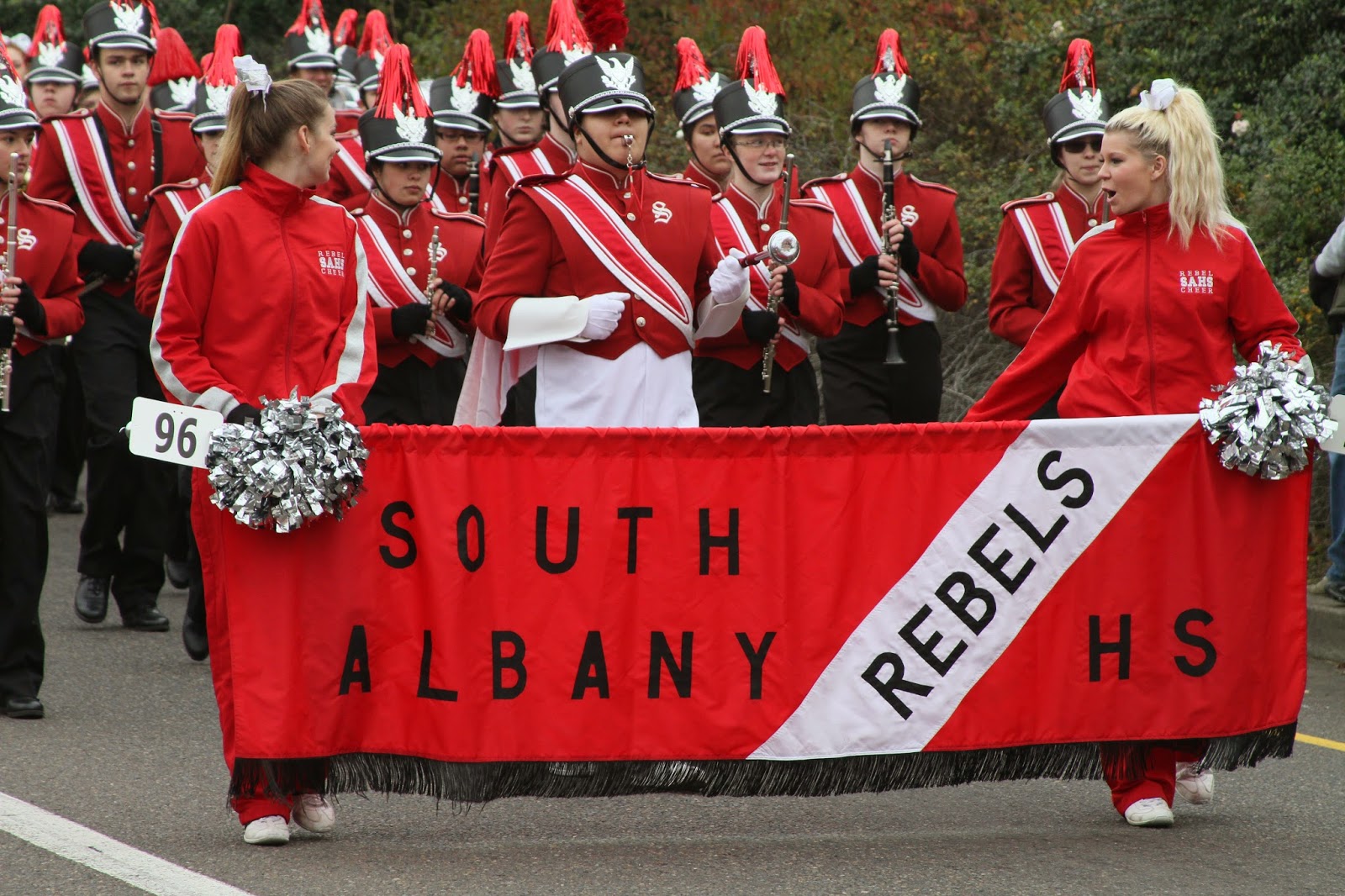
South Albany High School Junior Varsity Football, 2014-2015
Albany is home to many parks, and all show a diversity and focus that caters to the community. From walking trails that have exercise stations along them, to parks for kids athletics, Albany is alive with healthy park options for everybody. Albany's thirty parks include rentable, shelter-parks, riverfront and neighborhood parks, and community parks such as Monteith Park, which hosts Albany's two summer concert series.
Nature abounds at Albany parks, including Grand Prairie and Talking Water Gardens.
Monteith Park summer concert.
Albany's car clubs and antique shops come together in late summer for Antiques In The Street.
Albany was founded in 1847 by brothers Walter and Thomas Monteith, after Abner Hackleman had settled the area land. Flour mills and steamboats would show by the early 1850s, and in 1855, the first school was built. As more home were built, so was a courthouse, post office, and general store. Around the same time, Albany became the county seat, and the town of 50,000 is still the Linn County seat.
Albany sits at the confluence of two gorgeous rivers, the Willamette and the Calapooia. Albany is rather hill-less, and although the city sits at river level, flooding is rare. Average snowfall is less than a few inches, rain is typical western Oregon, and summertime is mind-blowingly nice, and is perfect for fresh fruits and vegetables. Albany is mostly farmers and laborers. Steel mills, log mills, and farms decorate the landscape. Fresh produce is commonplace.
Albany Tidbits:
The Albany Visitor's Association lists eight local museums, with three in Albany. The Albany Regional Museum at Lyons Street and 2nd Avenue, is open weekday afternoons. The Historic Carousel Museum is at 1st and Washington, is open daily, and is always looking for volunteers. The Monteith House Museum is also open daily, and is the most authentic house in the county:
Albany Facts:
Albany City Council meeting, circa 2014.
Albany has one main hospital, on 7th Avenue, just west of the Monteith District. Built in 1924, Albany General is supplemented by two Urgent Care units, one in north Albany, and one in south Albany at Queen Avenue and Geary Street.
The only dog park in Albany, is at Timber-Linn Memorial Park. After local petitions gathered enough votes in 2013, the park was built for citizens and dogs to enjoy.
The Albany Boys & Girls Club, located on Hill Street, has coordinated operations with local youth and schools, and has added-on to the site significantly. It serves the entire city and school district.
Albany's Parks Department, includes hiking trails and exercise forums, all within city limits. The Dave Clark Bikepath, the Simpson Trail, and the Takena Landing Trail, all have walking and bicycling opportunities.
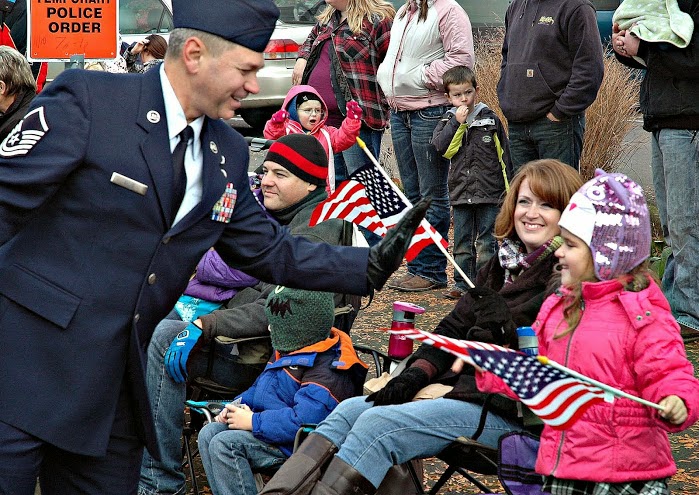
The Albany Veteran's Day Parade, the biggest west of the Mississippi, focuses on thank-yous and personal interaction. The over two-hour parade, takes place rain or shine, and always draws a large crowd.
Albany is a preserved, historic town. From building structures to residential homes, Albany is plentiful in regard to historic architecture. The Montieth District, and the Hackleman District, in addition to downtown, provides plenty to enjoy. Tours and lectures are available.

LBCC Baseball 2013-14, the final year of the program.
West Albany High School Baseball
July 4, 2013 - Fireworks At Monteith Park
Albany Points Of Interest:
Whitespires Church
Paddleboat rentals and Fall colors highlight Waverly Lake.
Little League Fall Ball at Albany's Kinder Park.
Chad Patrick skates the Albany Skatepark.
Turtles at Talking Water Gardens.
Guitar man and fan in downtown Albany.
West Albany High's home field.
Central School, built in 1915, still operates as a public school.
High-school wrestling at West Albany High School.
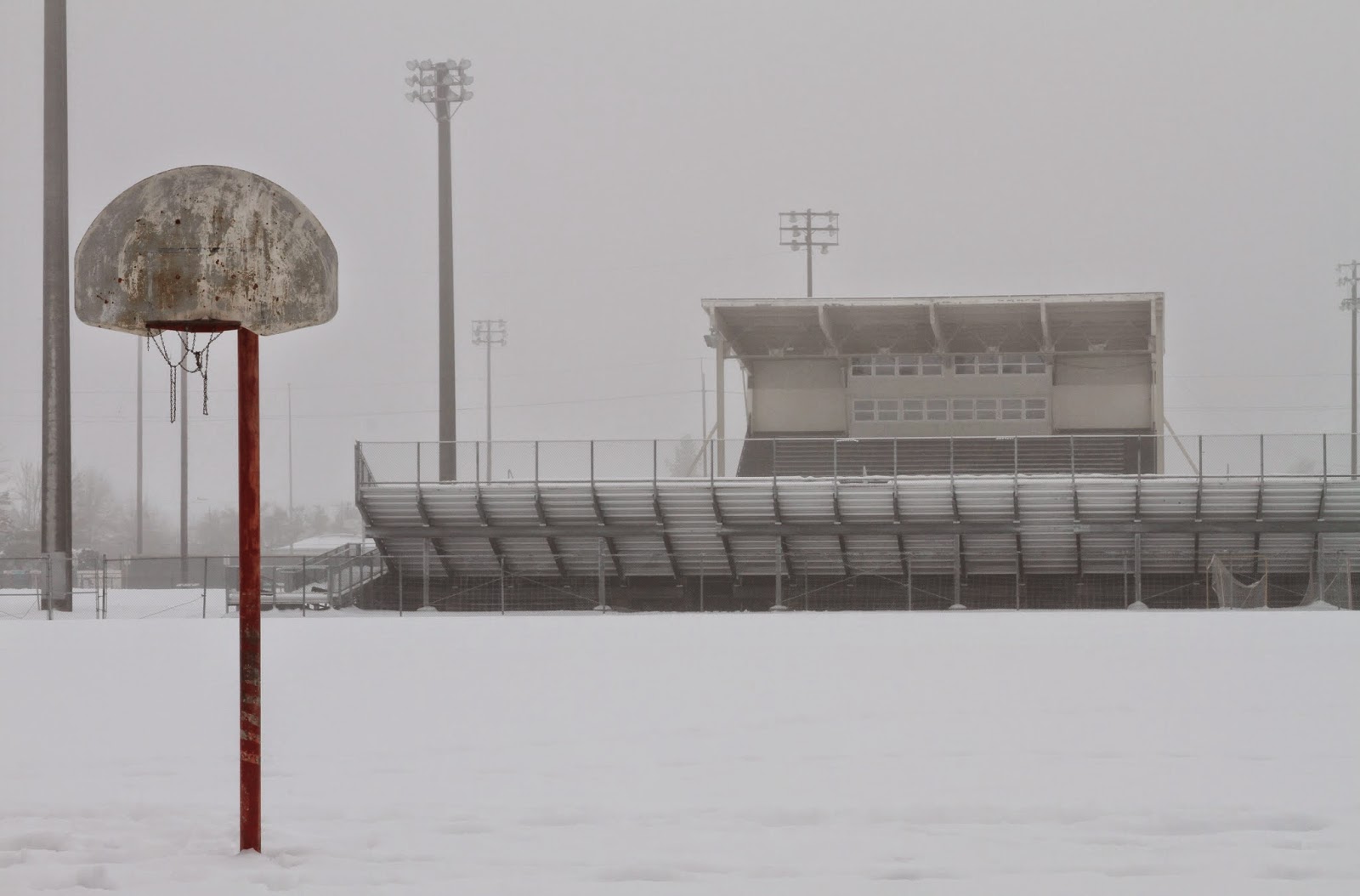
Record snow in February of 2014, measured 15 inches.
(Click any photo to view in gallery mode.)
Re-used metals, showcased and sold by the LBCC Welding Club. The school began in Albany in 1966.
Aaron Meyer takes a break from classes at Linn-Benton Community College in Albany.
Education in Albany, began in 1851, at Albany's first school, which was ran by the town doctor, R.C. Hill. Albany Union High School, which would become West Albany High, was founded in 1953. South Albany High was added in 1970.
South Albany High School Junior Varsity Football, 2014-2015
Albany is home to many parks, and all show a diversity and focus that caters to the community. From walking trails that have exercise stations along them, to parks for kids athletics, Albany is alive with healthy park options for everybody. Albany's thirty parks include rentable, shelter-parks, riverfront and neighborhood parks, and community parks such as Monteith Park, which hosts Albany's two summer concert series.
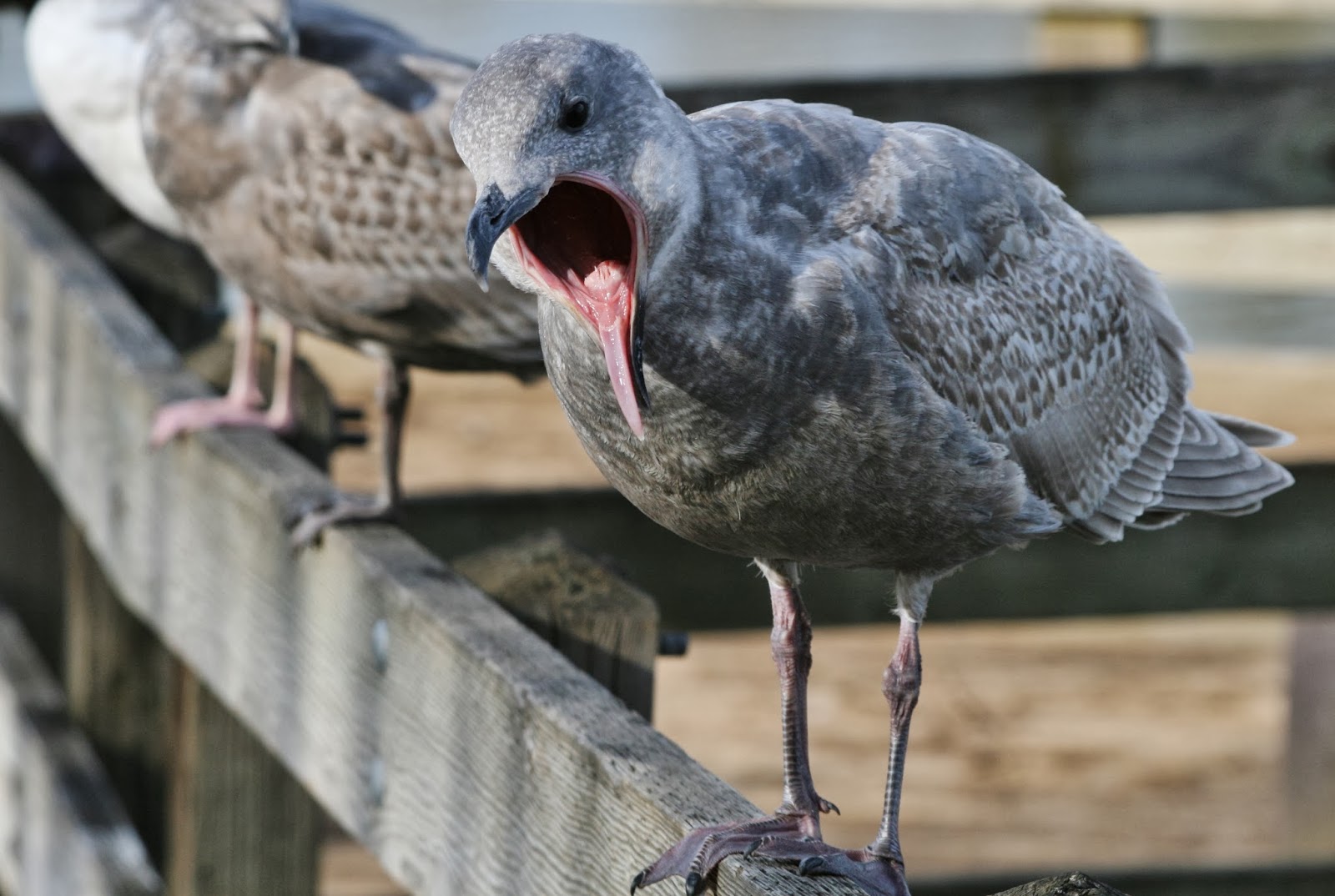
Monteith Park summer concert.
Albany's car clubs and antique shops come together in late summer for Antiques In The Street.
Albany was founded in 1847 by brothers Walter and Thomas Monteith, after Abner Hackleman had settled the area land. Flour mills and steamboats would show by the early 1850s, and in 1855, the first school was built. As more home were built, so was a courthouse, post office, and general store. Around the same time, Albany became the county seat, and the town of 50,000 is still the Linn County seat.
Albany sits at the confluence of two gorgeous rivers, the Willamette and the Calapooia. Albany is rather hill-less, and although the city sits at river level, flooding is rare. Average snowfall is less than a few inches, rain is typical western Oregon, and summertime is mind-blowingly nice, and is perfect for fresh fruits and vegetables. Albany is mostly farmers and laborers. Steel mills, log mills, and farms decorate the landscape. Fresh produce is commonplace.
Albany Tidbits:
- Albany gets its water supply from the South Santiam River, via a diversion ditch, first built in 1872 by the Santiam Ditch and Canal Company. Wastewater leaves Albany by way of Talking Water Gardens, a park designed to cool the water before it reaches the Willamette River.
- In 2001, The World Championship Timber Carnival ceased to be. A sixty-one year run of logging events, arts and crafts, carnival rides, and shows, came to an end. Today, the Northwest Art and Air Festival, rivals the carnival past, with three days of music, balloons, and art galleries.
- Longtime, local metals company, Wah-Chang, split with Albany in 1974, to form Millersburg.
- Albany's population is roughly 52,000. In 1870, the population of Albany was 1300.
- Albany's most distributed newspaper, the Democrat-Herald, is not the only newspaper that is printed today. Linn-Benton Community College publishes The Commuter, and The Albany Tribune has been in circulation for a couple of years.
- Radio in Albany is widespread and variety based. Over a dozen local stations exist.
- Concert performers at Albany's "River Rhythms" have included Robert Earl Keen, Night Ranger, The Dixie Chicks, and Joan Jett, as well as The Oregon Symphony.
The Albany Visitor's Association lists eight local museums, with three in Albany. The Albany Regional Museum at Lyons Street and 2nd Avenue, is open weekday afternoons. The Historic Carousel Museum is at 1st and Washington, is open daily, and is always looking for volunteers. The Monteith House Museum is also open daily, and is the most authentic house in the county:
Albany Facts:
- Population 52, 000
- Incorporated 1864
- At one point, the town was named Takenah
- The Bureau of Mines sits on the former Albany College site.
- Albany spreads out over 18 square miles.
Albany City Council meeting, circa 2014.
Albany has one main hospital, on 7th Avenue, just west of the Monteith District. Built in 1924, Albany General is supplemented by two Urgent Care units, one in north Albany, and one in south Albany at Queen Avenue and Geary Street.
The only dog park in Albany, is at Timber-Linn Memorial Park. After local petitions gathered enough votes in 2013, the park was built for citizens and dogs to enjoy.
The Albany Boys & Girls Club, located on Hill Street, has coordinated operations with local youth and schools, and has added-on to the site significantly. It serves the entire city and school district.
Albany's Parks Department, includes hiking trails and exercise forums, all within city limits. The Dave Clark Bikepath, the Simpson Trail, and the Takena Landing Trail, all have walking and bicycling opportunities.
The Albany Veteran's Day Parade, the biggest west of the Mississippi, focuses on thank-yous and personal interaction. The over two-hour parade, takes place rain or shine, and always draws a large crowd.
Albany is a preserved, historic town. From building structures to residential homes, Albany is plentiful in regard to historic architecture. The Montieth District, and the Hackleman District, in addition to downtown, provides plenty to enjoy. Tours and lectures are available.
LBCC Baseball 2013-14, the final year of the program.
West Albany High School Baseball
July 4, 2013 - Fireworks At Monteith Park
Albany Points Of Interest:
- Whitespires Church at 5th and Washington. Built in 1891, the church features a Kimball Organ.
- Waverly Lake, in east Albany, was once the construction pond for Interstate 5 & Oregon 99.
- Talking Water Gardens, a wildlife filled cooling pond for the wastewater treatment plant.
- The Ellsworth Street Bridge, built in 1926, offers awesome sunset views.
- Historical Homes Tour
- The Monteith House, a realistic pioneer home.
- The Albany Municipal Airport
- The Albany Clock Tower, built in 2007, rises 60 feet. The clock features a four-foot diameter face.
- The Dave Clark Riverfront Path
- River Rhythms
- The Northwest Art & Air Festival
- Christmas Storybook Land, a free family event, during the holidays.
The American Kennel Club at the Linn County Fairgrounds in Albany:
Paddleboat rentals and Fall colors highlight Waverly Lake.
Little League Fall Ball at Albany's Kinder Park.
Chad Patrick skates the Albany Skatepark.
Turtles at Talking Water Gardens.
Construction in Albany, although slow during the recession, is starting to recover.
Guitar man and fan in downtown Albany.
West Albany High's home field.
Central School, built in 1915, still operates as a public school.
Eve Hackett, longtime band teacher at Memorial Jr. High, Memorial Middle School, and West Albany High.
The Pix Theater in downtown Albany, shows first-run movies in a building built in the 1890s.
All photos COPYRIGHT Ronald Borst.
Sources Used:
Albany Visitors Association website at http://albanyvisitors.com/
General information from Albany's Wikipedia website
City of Albany website at cityofalbany.net
Albany Democrat Herald
Personal knowledge
Sources Used:
Albany Visitors Association website at http://albanyvisitors.com/
General information from Albany's Wikipedia website
City of Albany website at cityofalbany.net
Albany Democrat Herald
Personal knowledge
Subscribe to:
Posts (Atom)
-
Fish on! Coffee burbling, tackle boxes closing, boat trailers hitching... The sounds of summer abound, like children running wild in the...
-
Although many would prefer to teach a beginning steelheader(or salmoner) the "drift-fishing" tactic of bouncing lead and lure alon...
-
It is Albany, Oregon. Quiet, quaint, and suspiciously asking for twenty-five million bucks to build a new police station. Albany's Polic...